Skip to searchSkip to main content

Student Sponsorships
One of the most significant challenges for nearly all Kenyan families is acquiring the funds to support their children’s education, especially secondary school and university. The majority of secondary and universities are boarding schools requiring students to travel and pay room and board in addition to school fees.

Individuals and the group as a whole, are paying school fees for nine students. Two of these students have graduated to university and are pursuing diplomas in teach education and electrical engineering. A third university student receiving sponsorship is pursuing a degree in nursing.

Caption Goes Here

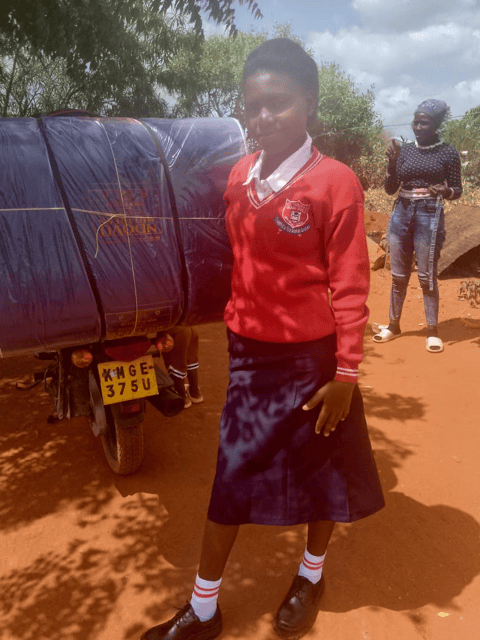
Agnis Maria

She is from Ukasi and was chased from school for not paying fees and had been studying under nearby trees. The group sponsored  her enrollment in St. Teresa Ukasi girls... to give her another chance in her pursuit of education
Caption Goes Here

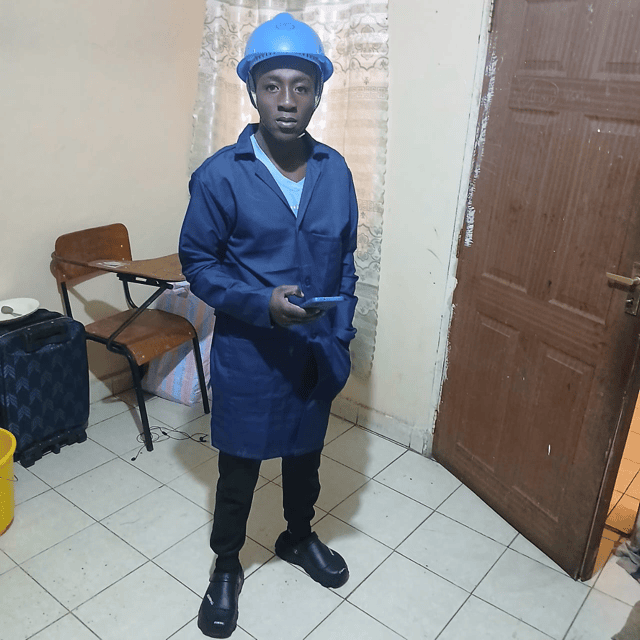
Bencarson

Bencarson is pursuing a university degree in electrical engineering with the help of BEE in Kenya.


The typical cost to sponsor a student at the different education levels is listed below.  This primarily covers their tuition and may also include things like supplies, transportation, academic trips and uniforms. 

With this funding, intelligent and motivated students are able to focus solely on their academic journey. Students seeking funding complete an application and provide updates like grades and teacher feedback to the board throughout the school year. 

Level                Typical age         Cost/year

Primary            6-14                     $600
Secondary      14-18                   $800
University        18+                     $2,000

About Kenya’s educational system:

Compentency-Based Curriculum


This is a 2-6-3-3-3 education system introduced in 2017 to replace the 8-4-4 system, focusing on practical skills, core competencies, and continuous assessment rather than high-stakes exams. It emphasizes learner-centered learning, nurturing talents, and critical thinking through a flexible, value-based approach.

2-6-3-3-3 Structure


2 years pre-primary
6 years primary (Grade 1-6)
3 years junior school (Grade 7-9)
3 years senior school (Grade 10-12)
3+ years university/tertiary.


Focus on Compentencies


Focuses on communication, collaboration, critical thinking, creativity, citizenship, digital literacy, and self-efficacy.


Assessments


Shifts from one-off exams to continuous, formative assessment (portfolios, projects, practical tasks)


.

National Exams


Key assessments are at Grade 6 (KPSEA - Kenya Primary School Education Assessment) and Grade 9, with assessments designed to guide rather than just select.